

Skip to main content Scroll Top
702 The Queensway S Unit #1, Keswick, ON L4P 4C9

Chiropractic and ADHD: 3 Important Things to Know

chiropractic and ADHD

Chiropractic and ADHD: Understanding the Connection

Chiropractic and ADHD may seem like an unusual pairing at first, but understanding the connection starts with understanding the nervous system. To be clear from the outset: chiropractic care is not a treatment or cure for ADHD, and any decisions about diagnosis or medication should always be made with your child’s pediatrician or a qualified specialist.

1. Why the Nervous System Matters

Chiropractors work primarily with the nervous system—the brain, spinal cord, and nerves—and the bones that protect it, including the skull and spine. This matters because the nervous system is the body’s master control system; nothing happens in the body without the brain and nerves being involved.

Chiropractic care aims to improve communication between the brain and body by correcting misalignments in the spine. The idea is that misalignments between the vertebrae can interfere with the signals traveling along the nervous system, and that correcting them may help support how the brain and body work together.
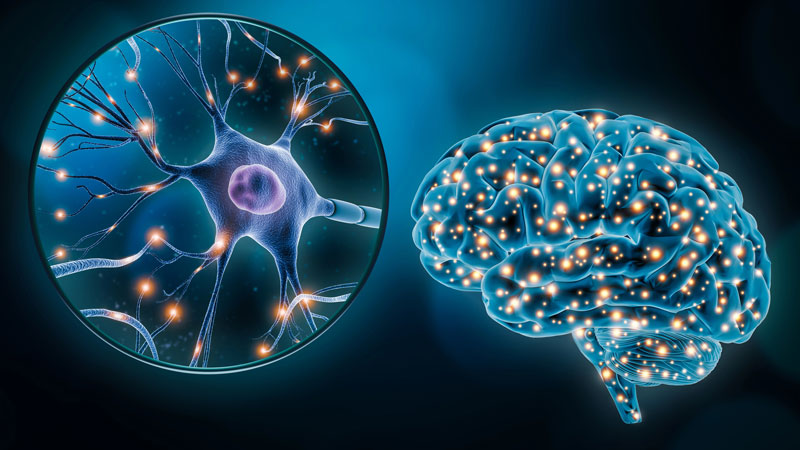
The spine and the brain: a fascinating connection - Chiro du Portage à Gatineau - Chiropraticien à Hull - Décompression neurovertébrale

🧠 Curious about how nervous system function connects to your child's overall wellness? Let's talk about a whole-body approach.

2. The Cortisol Connection

A small study found that chiropractic adjustments were associated with lower cortisol levels in adult patients with mechanical low back pain (Padayachy, 2010). Cortisol is a stress hormone, and elevated levels over time are associated with a range of effects on the body, including, in some research, an inhibiting effect on dopamine production.

Dopamine is a hormone closely tied to focus and concentration, and lower dopamine activity is one of several theories researchers have explored in relation to ADHD. This is an area of ongoing research, not a settled explanation, and ADHD is understood to involve a complex mix of genetic, neurological, and environmental factors.

3. Where Chiropractic Care May Fit In

Some chiropractors believe that supporting nervous system function—alongside good nutrition, regular exercise, and stress reduction—may be a helpful complementary piece of supporting a child’s overall wellbeing, including children with ADHD. This is best understood as a supportive, whole-body approach rather than a replacement for medical evaluation or treatment.

If your child has been diagnosed with ADHD or you’re exploring a diagnosis, it’s important to work closely with your pediatrician or a specialist to weigh all the treatment options available, including behavioral therapy, lifestyle changes, and medication when appropriate. Chiropractic care, nutrition, and exercise can be discussed with your care team as potential complementary supports, but decisions about medication should always be made in partnership with your child’s doctor.

🥦 Interested in a whole-body approach alongside your child's current care plan? Let's talk about nutrition, exercise, and nervous system support.

Key Takeaways

Chiropractic care is not a treatment for ADHD, but some believe supporting nervous system function may complement a broader wellness approach that includes nutrition, exercise, and the medical care your child’s doctor recommends. Any decisions about diagnosis or medication should always be made together with your pediatrician or a qualified specialist.

Have Questions?

If you have any questions about this blog, please give the clinic a call.
Dr. Jen

Frequently Asked Questions

No. Chiropractic care is not a treatment or cure for ADHD. It may be considered as a complementary part of a child’s overall wellness routine, alongside the guidance of their pediatrician or specialist.

No. Decisions about ADHD treatment, including medication, should always be made with your child’s doctor. Chiropractic care, nutrition, and exercise can be discussed as complementary supports, not replacements.

Some research suggests elevated cortisol, a stress hormone, may inhibit dopamine production. Lower dopamine activity is one of several theories researchers have explored in relation to ADHD, though it isn’t a fully settled explanation.

Exercise and proper nutrition are both considered important factors in supporting children with ADHD, alongside whatever treatment plan is recommended by their healthcare provider.

Leave a comment

You must be logged in to post a comment.
Call to book